News & Views

Form 990 filing mistakes that can undermine your nonprofit’s credibility

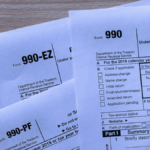
Form 990 is more than a tax return; it’s a public document that donors, grantmakers, and regulators use to evaluate your nonprofit. Common mistakes in filing, reconciliation, and narrative disclosures can raise questions about financial stewardship or put your tax-exempt status at risk. This article outlines the key errors to avoid and how to build a more reliable year-over-year filing process.

Read More

IRS introduces automatic penalty relief for taxpayers with a strong compliance history

The IRS is replacing its First Time Abate program with a new Automatic Exemption from Penalty (AEP), which will automatically prevent certain penalties for eligible taxpayers with a strong compliance history. Starting with 2025 tax year returns and 2026 quarterly returns, qualifying individuals and businesses may avoid failure-to-file, failure-to-pay, and failure-to-deposit penalties without needing to call the IRS or submit a separate request. Understanding the eligibility requirements and transition timeline is key to making the most of this change.

Read More

2026 Federal tax changes: What to know before you file

The IRS has announced inflation adjustments for more than 60 tax provisions for tax year 2026. These amounts generally apply to the federal income tax returns taxpayers will file in 2027. In addition, taxpayers should be aware of changes involving charitable deductions, the qualified business income deduction, energy tax credits, and several other areas. Here are some of the 2026 federal tax changes worth knowing about.

Read More

Year-end tax planning: 10 moves to consider before 2026 ends

Year-end tax planning isn’t simply about finding deductions. It’s about looking at your overall financial picture, estimating where you are likely to finish the year, and identifying opportunities or potential problems while there’s still time to address them. Here are 10 factors individuals and business owners should consider reviewing before 2026 comes to a close.

Read More

Harvesting Opportunities

September is a season of transition. It’s a time to take stock of what’s working, make thoughtful adjustments, and prepare for what lies ahead. Whether you’re managing a business, planning your finances, or looking for new opportunities, the decisions you make today can have a lasting impact. This month’s insights offer practical guidance to help you build on your progress, navigate change, and make the most of the opportunities ahead.

Read More

Why homeowners need to track improvements before a sale or inheritance

As home values rise, the federal home sale exclusion may no longer be enough to eliminate capital gains tax when a property is sold or inherited. The difference between a large tax bill and a smaller one can come down to how well a homeowner documented capital improvements over the years. Keeping a permanent record of qualifying expenses is one of the simplest steps homeowners can take to protect themselves.

Read More

IRS provides gift tax safe harbor for Trump account contributions

The IRS just made it easier for families to fund Trump accounts without triggering an unexpected gift tax filing requirement. In Revenue Procedure 2026-25, the IRS established a safe harbor that allows qualifying donors to contribute cash to a child’s Trump account and skip Form 709 entirely, as long as key conditions are met. Here’s what you need to know before making contributions.

Read More

Cash flow forecasting as a leadership tool

Most business owners rely on backward-looking financials that tell them where they have been, not where they are going. A cash flow forecast fills that gap by projecting future inflows and outflows, helping leaders spot problems early and make smarter decisions about hiring, investing, and financing. Updated consistently and tied to real business decisions, it shifts leadership from reactive to proactive.

Read More

Labor equilibrium: How your business can take advantage

Economists sometimes describe this environment as “labor equilibrium.” In economic terms, a labor market is in equilibrium when the supply of labor and employers’ demand for labor are broadly aligned. According to recent data, employers may now have more flexibility to hire thoughtfully, control labor costs and build stronger teams.

Read More